
A Tale of Two Halves
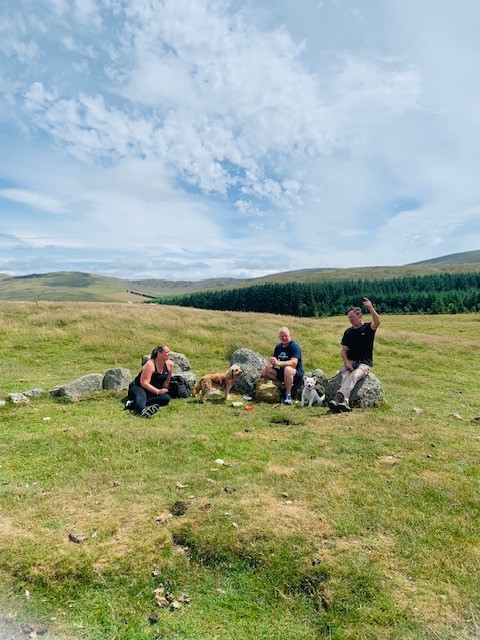
High above the beautiful Dee Valley, overlooking the village of Llandrillo, sits one of North Wales’ most captivating prehistoric monuments – Moel Ty Uchaf Stone Circle. Perched on the slopes of the Berwyn Mountains, this atmospheric site offers visitors a journey through ancient history, breathtaking scenery and a fascinating connection to the changing seasons.
What makes Moel Ty Uchaf particularly special is its relationship with both the Summer Solstice and the Winter Solstice. It is, quite literally, a tale of two halves.
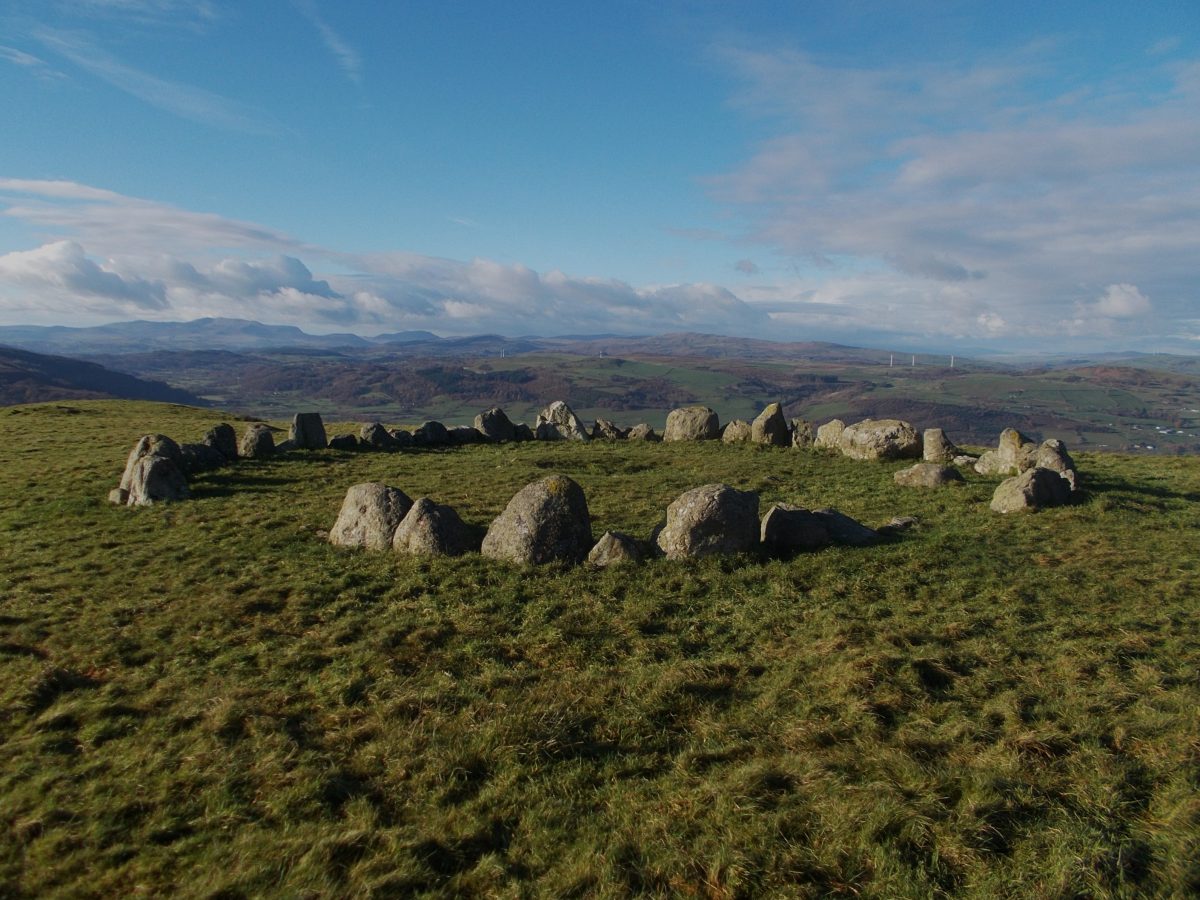
During the Summer Solstice, when daylight is at its longest, the circle becomes a place of light and expansive views. The surrounding landscape stretches across the Dee Valley towards the Clwydian Range, creating a stunning backdrop as the sun rises and sets over the rolling Welsh hills. The monument feels open, vibrant and full of life.
In contrast, the Winter Solstice brings a very different atmosphere. As the days shorten and the sun tracks lower across the horizon, the circle takes on a more reflective character. The stark beauty of the Berwyn landscape, often dusted with frost, creates a powerful connection to the ancient communities who would have marked the changing seasons. Many believe that sites such as Moel Ty Uchaf were carefully positioned to acknowledge these significant solar events, helping communities celebrate the turning of the year and the promise of changing seasons.
Standing among the stones on either solstice, it’s easy to imagine generations gathering here thousands of years ago, watching the movement of the sun and drawing meaning from the rhythms of nature.
An Ancient Monument in the Berwyn Hills
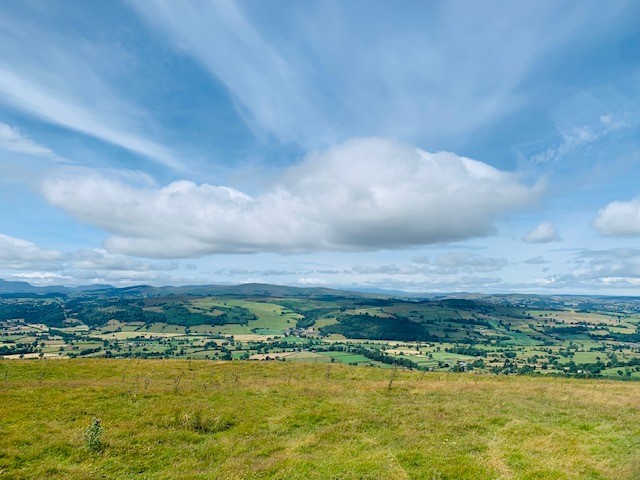
While its spectacular setting immediately captures the imagination, Moel Ty Uchaf Stone Circle is also one of the most important prehistoric sites in North East Wales. Believed to date from the Bronze Age, around 4,000 years ago, the circle stands as a reminder of the communities who once lived and farmed these uplands.
The monument consists of a ring of standing stones set high above the Dee Valley, carefully positioned to take advantage of the surrounding landscape. Although its original purpose remains a mystery, archaeologists believe stone circles such as Moel Ty Uchaf were places of ceremony, gathering and ritual. They may have been used to mark important seasonal events, strengthen community connections, or honour ancestors.
Excavations carried out during the 1980s revealed that the site was more complex than first appeared. Archaeologists uncovered evidence of earlier activity beneath the circle, suggesting the location held significance long before the stones we see today were erected. These discoveries reinforced the idea that Moel Ty Uchaf was a special place in the prehistoric landscape, chosen deliberately for its commanding position and sweeping views.
Its location is no accident. From the circle, visitors can see across the Dee Valley towards the Clwydian Range and deep into the Berwyn Mountains. For Bronze Age communities, the surrounding hills, valleys and movements of the sun would have formed part of a deeply meaningful landscape. This connection between people, place and the heavens is perhaps why the site remains so captivating today.
A Tale of Two Halves
What makes Moel Ty Uchaf particularly special is its relationship with both the Summer Solstice and the Winter Solstice. In many ways, the circle tells a story of light and darkness, growth and renewal.
At the Summer Solstice, the longest day of the year, the surrounding landscape is bathed in light. The valley below is alive with colour and the vast panorama from the stone circle emphasises the power and abundance of midsummer. Standing among the stones at dawn or dusk, it’s easy to appreciate why ancient communities may have gathered here to celebrate the height of the sun’s journey.
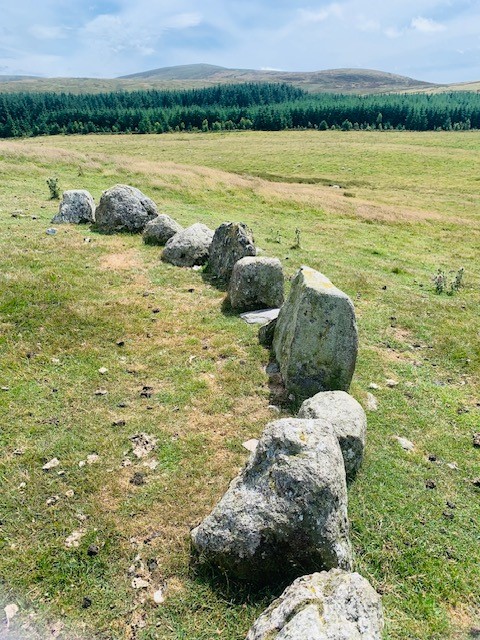
Six months later, the Winter Solstice brings an entirely different experience. The low winter sun casts long shadows across the hillside, creating a striking contrast to the brightness of summer. Yet for prehistoric people, the shortest day of the year was equally important. It marked a turning point — the gradual return of longer days and the promise of spring. The circle therefore reflects a timeless cycle, connecting us to generations who watched the same horizons and measured the passing year through the movement of the sun.
A Walk to Remember
One of the joys of visiting Moel Ty Uchaf is that getting there forms part of the experience. Starting from the heart of Llandrillo, the walk offers magnificent views and a gradual immersion into the area’s rich natural and cultural heritage.
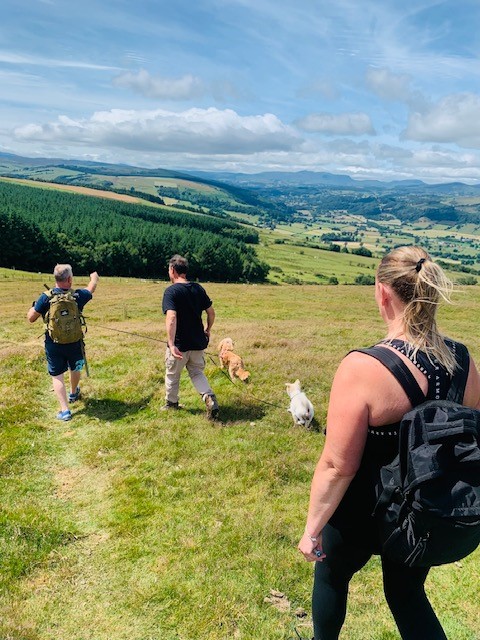
Step-by-Step Walk from Llandrillo
Distance: Approximately 2 miles (3.2 km) each way
Time: Around 1 hour uphill, 45 minutes downhill
Difficulty: Moderate, with some steep sections
Step 1: Start in Llandrillo Village
Begin in the centre of Llandrillo, a charming village nestled beside the River Dee. Take a moment to enjoy the peaceful atmosphere before setting out. Turn left immediately after the village hall and follow the gradual hill up past Ty’n Cae Mawr. You will go though a gate onto a steep rocky road before the road smooths out and flattens.
Step 2: Follow the Quiet Lanes
Leave the village and climb steadily uphill. As you gain height, look back across the valley for increasingly impressive views of the surrounding countryside.
Step 3: Pass Through Farmland
The lane soon gives way to farm tracks and open countryside. Please remember to close gates behind you and respect livestock. The changing scenery offers wonderful opportunities for photographs, particularly during spring and autumn. Once you reach a cross roads with a road taking you down back to the main road on your left- turn right along the lane as steadily climb until you reach another gate.
Step 4: Climb Towards the Ridge
Once through the gate the route becomes steeper as you approach the higher slopes above Llandrillo. Take your time and enjoy the ever-expanding views across the Dee Valley and towards the distant mountains of Snowdonia on clear days.
Step 5: Follow the Waymarked Track
Continue along the established path towards Moel Ty Uchaf as it bears left and to your right you will see the Berwyn Mountains and woodlands in the distance. The stone circle gradually comes into view, its silhouette standing proudly against the skyline.
Step 6: Arrive at the Stone Circle
As the final stones emerge before you, take a moment to appreciate the setting. The circle occupies a commanding position, with panoramic views in every direction. Whether you arrive on a bright summer morning or a crisp winter afternoon, the sense of place is remarkable.
More Than Just a Monument
Moel Ty Uchaf is more than a collection of ancient stones. It is a place where landscape, history and astronomy meet. The journey from Llandrillo allows visitors to experience that connection first-hand, moving from the modern village into a landscape that has inspired people for thousands of years.
For walkers, photographers, history enthusiasts and anyone seeking a peaceful escape, Moel Ty Uchaf offers one of Denbighshire’s most memorable outings. And on the solstices, when the light transforms the landscape, the stone circle reveals its true magic – a timeless reminder of humanity’s enduring relationship with the sun, the seasons and the land itself.
Getting There by Bus
One of the easiest ways to reach the starting point for the walk is by using the T3c TrawsCymru bus service, which runs between Wrexham, Llangollen, Corwen, Bala and Barmouth. The service stops in Llandrillo village, making it an excellent option for walkers who want to leave the car behind.
Visitors travelling from Llangollen can catch the T3c towards Bala and alight at Llandrillo, while those coming from Bala can take the service in the opposite direction. The village is served several times a day, although it is always advisable to check the latest timetable before travelling. Sometimes a bus change is required in Corwen.
From the bus stop in the centre of Llandrillo, the walk to Moel Ty Uchaf begins almost immediately, leading you from the tranquil village streets into the dramatic upland landscape of the Berwyn Mountains. The contrast between village life, open countryside and the ancient stone circle makes the journey as memorable as the destination itself.
For other bus friendly walk ideas you can download our booklet here.