
The Little Tern colony at Prestatyn and natures biodiversity
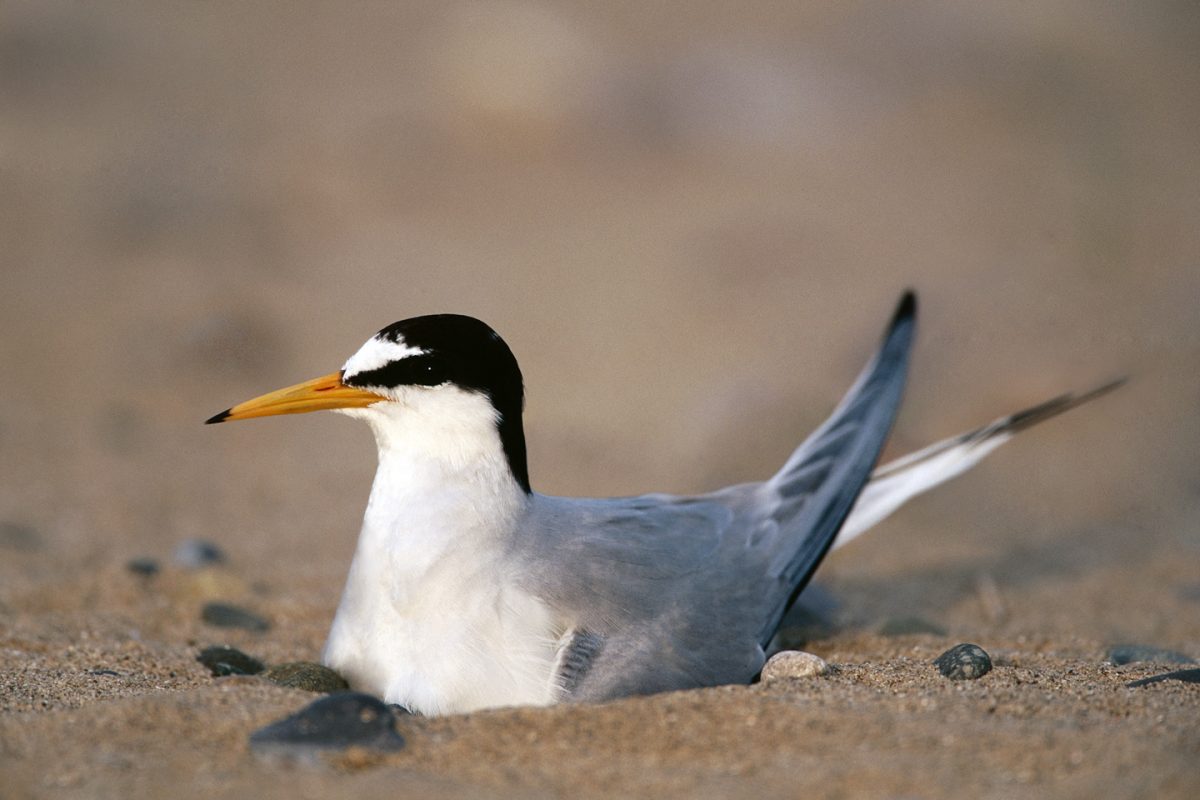
Each summer, some very special visitors arrive on the Denbighshire coast, the Little Terns at Prestatyn. These seabirds migrate thousands of miles from West Africa to nest on the shingle and sand, raising their chicks right on the beach.
The little tern is the smallest of five tern species that breed in the UK. It has a slender, stream-lined body, black head with a white forehead and distinctive black-tipped yellow beak. It has a shorter tail than other tern species, and narrow pointed wings with a wingspan of 45-55cm.
Because they nest on the ground, they are vulnerable to disturbance, especially on busy days. During the breeding season you will usually see a roped off area and information boards so people know where the colony is. Volunteers and wardens often keep an eye on the birds and are happy to answer questions when they are around.
Please do not disturb them by getting too close. A simple walk along the promenade or beach, watching the terns hovering and diving for fish, can be a real highlight of a coastal stay. Just remember the binoculars.
Once breeding is complete, the birds migrate long distances to their wintering grounds which include tidal creeks, lagoons and saltpan
Good to know:
Keep to the marked paths, keep dogs under close control near the colony and avoid flying kites or drones in the area. Small changes like this make a big difference to the birds’ chances of raising their chicks.
Wildflower meadows across Denbighshire
Head inland and you will find a different kind of life, the wildflower meadows and grassy areas that buzz with insects through late spring and summer. Some are in country parks or nature reserves, others are roadside verges and community spaces that have been left a little wilder.
In these meadows you might see buttercups, clover, ox-eye daisies and all sorts of grasses, with butterflies, bees and other pollinators moving between them. They are simple places, but perfect for a gentle walk, a sit on a bench, or a quiet spot to listen to birdsong.
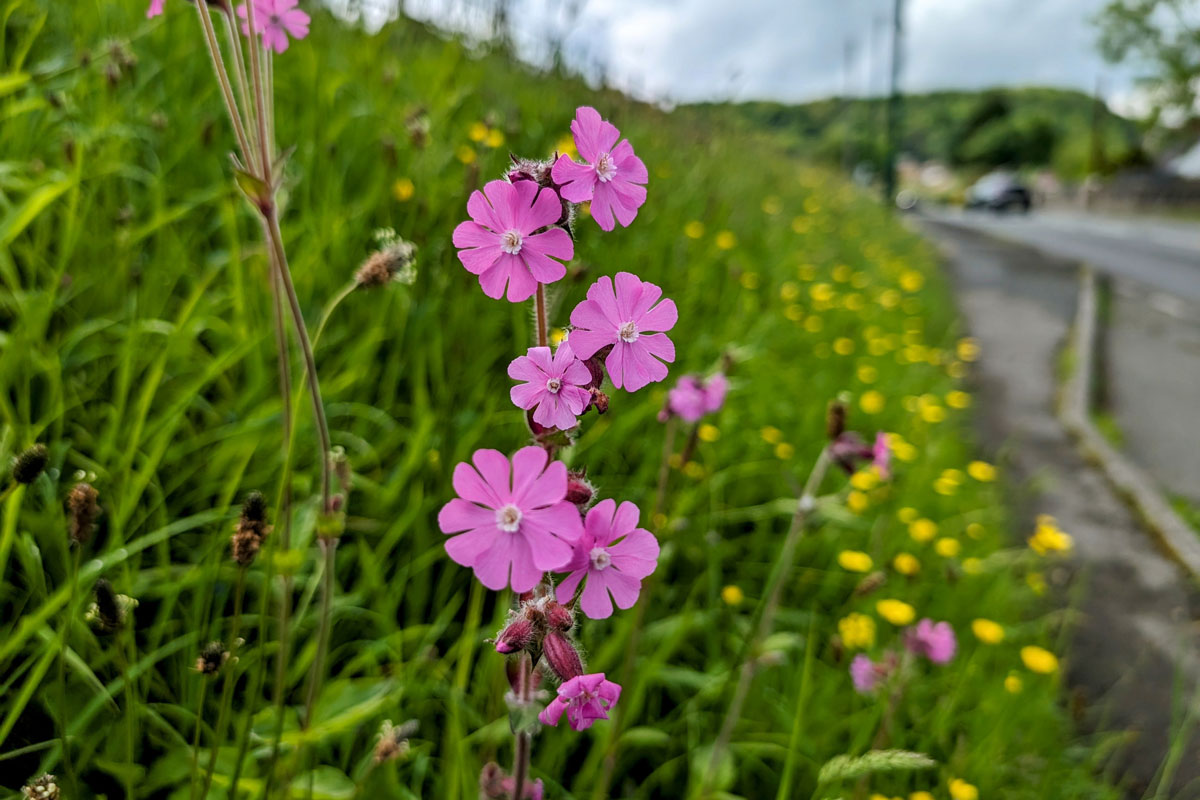
Here is a link to a map of the wildflower meadows.
You can download an app to help you identify the plants you see here.
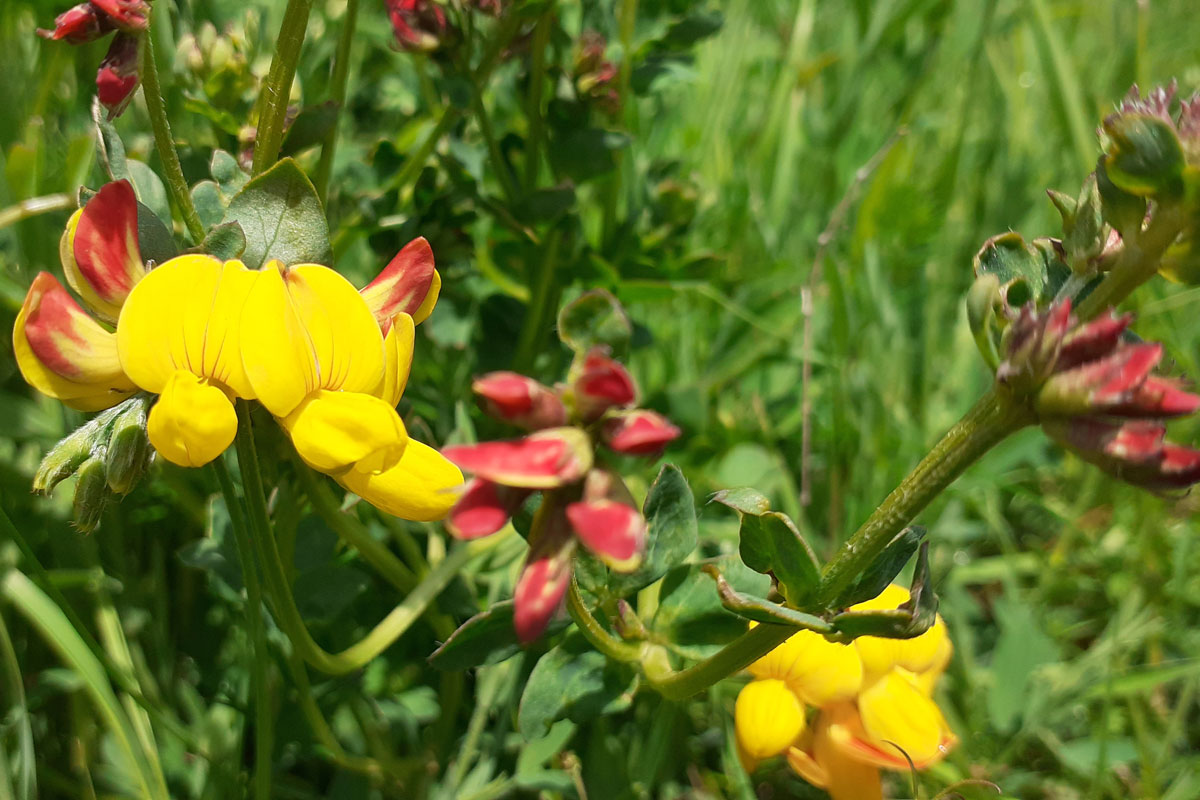
You can take this idea home with you. Have you heard of No Mow May?
No Mow May is a simple idea that has taken root across the UK. The idea is to leave lawns and grassy areas uncut for the month of May, giving wildflowers a chance to bloom and providing food and shelter for bees, butterflies and other insects.
It encourages bio diversity and No Mow May is one of the easiest ways to help the environment – letting wildflowers like daisies, dandelions and clovers grow while supporting bees and butterflies. The longer grasses gives insects and small animals places to hide.
(Even small wild patches add up to make a huge difference to nature.)